


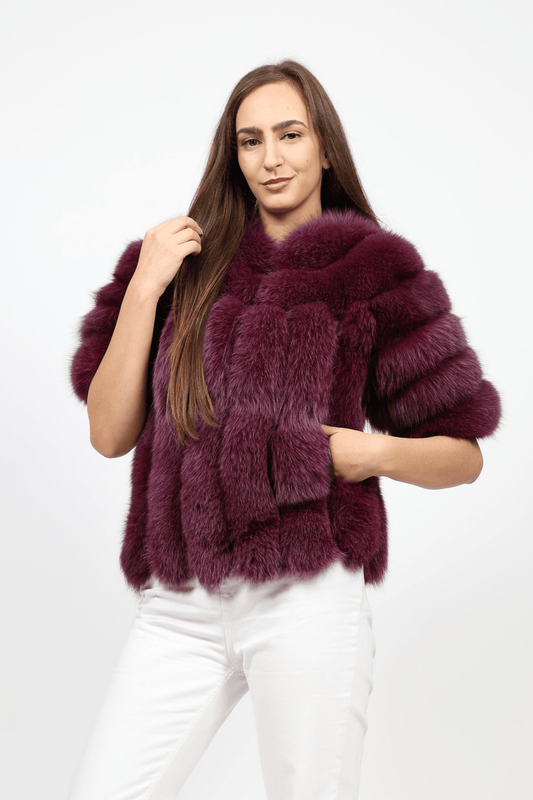
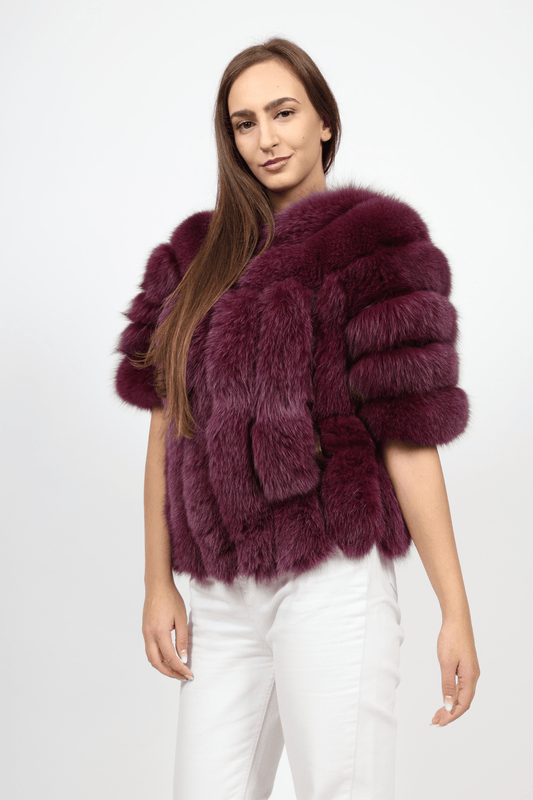
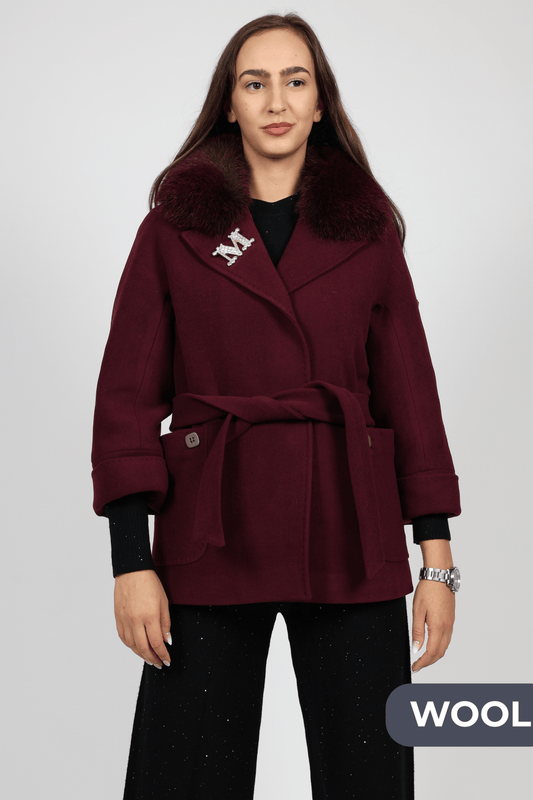
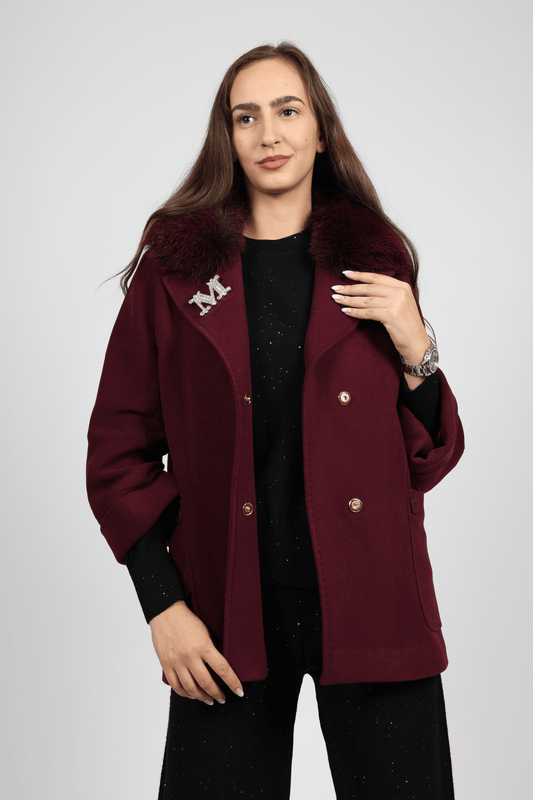
Italian merino wool
Breathable, lightweight, originating from factories in Biella.



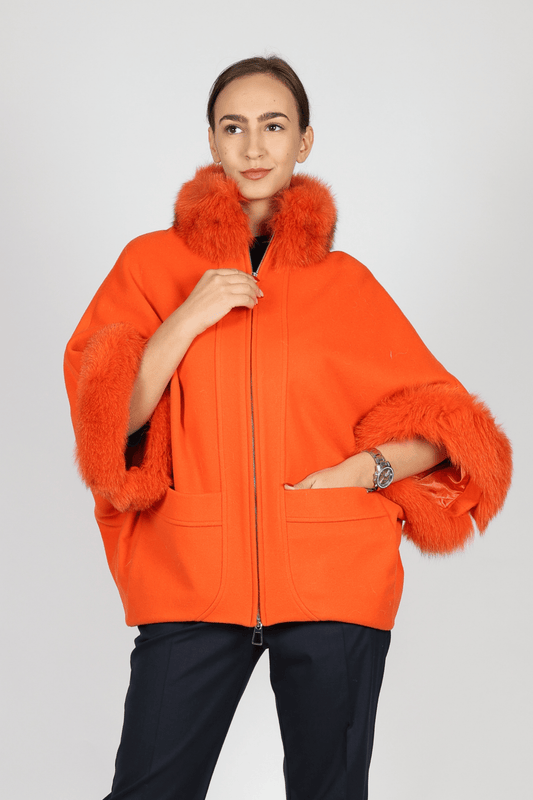
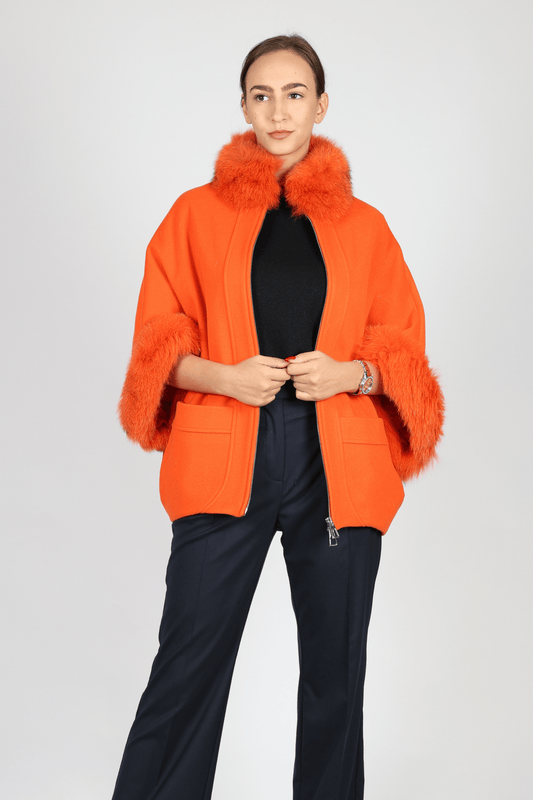
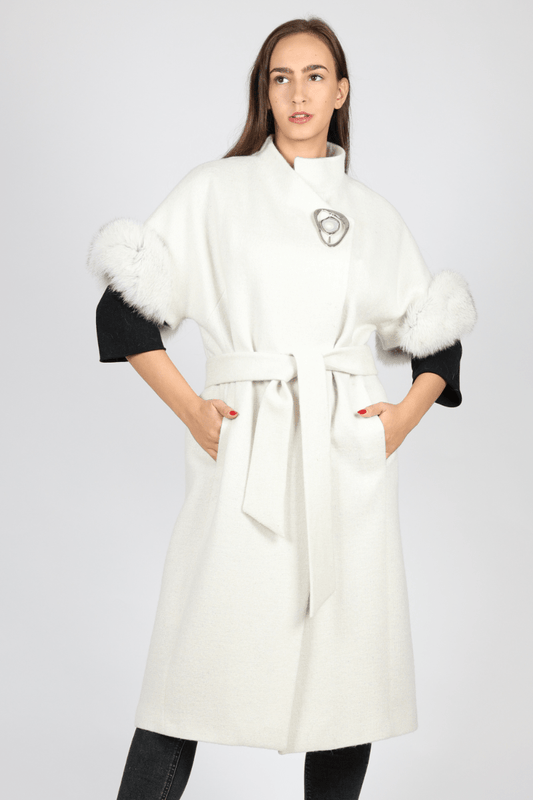
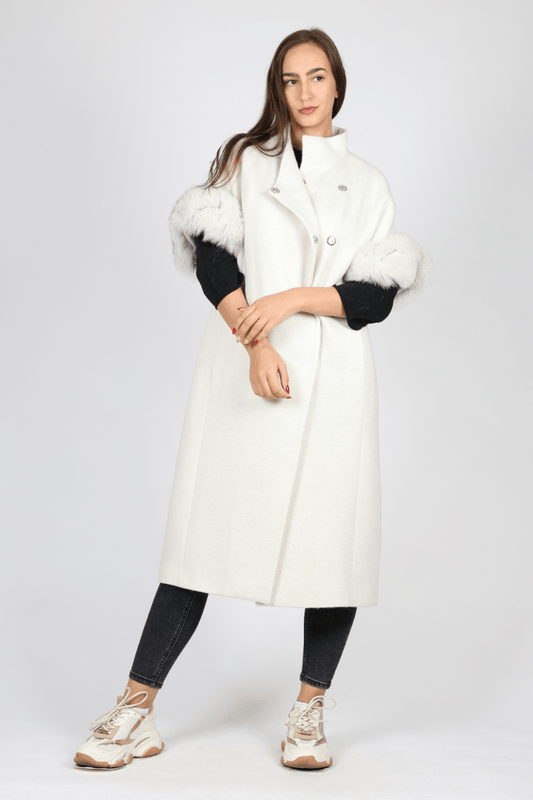
The women's coat is one of the most enduring investments in a woman's wardrobe — a quality wool or cashmere coat can last 10–15 years with proper care and remains relevant despite fleeting trends. At roberto.bg, you'll find the full range — from classic wool coats in timeless cuts to down coats for sub-zero temperatures, cashmere models for the most elegant looks, and modern oversized coats in beige, cream, and sage tones for the more fashion-forward buyer. We work with established Italian brands like LaBalancia, Merkur, and VIPART, and our own Roberto&Co line is sewn in our Velingrad atelier using Italian fabrics. We offer a bespoke coat tailoring service — particularly valuable for non-standard proportions, Plus Size, and clients looking for a specific color or material. Our team assists with coat selection based on height, figure, seasonal temperatures, and purpose — office, everyday, or evening wear.
Women's wool and cashmere coats represent the most prestigious segment in this category. The difference between the two materials is significant. Wool (most often merino) is rougher, heavier, and more durable — ideal for everyday wear. Cashmere is obtained from the undercoat of cashmere goats in the Mongolian and Himalayan regions and is significantly softer, lighter, and warmer — about 3 times warmer than wool of the same thickness. In practice, most "cashmere coats" are blends: 10–20% cashmere + 80–90% wool (entry-level premium segment, €250-400); 30–50% cashmere + 50–70% wool (mid-premium, €400-700); 70–100% pure cashmere (luxury segment, €700+). Always check the label — "cashmere" without a percentage usually means under 10%. Classic colors are timeless: camel (the most versatile), black, dark gray, navy (business alternative), burgundy, and sage for a more fashion-forward choice. Combine with a women's dress for an elegant look, with a suit from our sets for business, or with women's trousers and a knitted sweater for casual wear.
Down coats are the intersection between a jacket and a classic coat — they have the length and silhouette of a coat (knee-length or longer), but use down or synthetic filling for maximum thermal insulation. They are suitable for a temperature range of -15°C to 0°C when moving and up to -5°C when standing still. They are ideal for Bulgarian winters, especially for residents of Sofia who spend 20-30 minutes on public transport or walking. Main types: classic knee-length down coat (the most versatile), maxi down coat to mid-calf or ankle (maximum warmth and a fashion statement), and oversized down coat (a modern silhouette that accommodates extra volume). A quality down coat has a fill power of 600-700 and a filling of 200-350 grams. Outer shell materials vary: classic nylon with water-repellent coating, premium cotton blends, technical membranes for mountain conditions. For everyday urban use, nylon with a DWR coating is sufficient.
Classic women's coats do not follow current trends — they are wardrobe basics that work for 10+ years. The main cuts are: Crombie (straight, knee-length, single-breasted fastening with hidden buttons — the cleanest classic silhouette, originating from British men's fashion); Pea coat (short naval cut to the hip, double-breasted fastening, more casual than Crombie); Wrap coat (a coat with a belt and no buttons — the most feminine silhouette, works for any figure); Duster (long ankle-length coat, loose fit — a dramatic fashion choice); and Cocoon (oversized with an oval shape — a modern cut for minimalist connoisseurs). Materials define the season: thick wool 500-700g/m² for winter; light wool blend 300-400g/m² for transitional seasons; gabardine and cotton-blend for spring. Colors: classic black, camel, navy, gray tones, or statement colors like burgundy, teal, or delicate pink for contrast.
Modern women's coats for the 2026 season focus on three main directions. Oversized coats in natural tones (camel, cream, olive, sage) — a modern silhouette with dropped shoulders and a wide fit, perfect for layered winter looks. Belted coats — with a wide textile or leather belt at the waist, creating a structured hourglass silhouette even with oversized models. Double-face coats — reversible coats with two different sides, offering two looks in one — a luxury detail. Materials range from classic wool blends to teddy (faux fur with a plush texture, very popular in recent seasons), bouclé (textured wool fabric with visible fibers), and knitted wool for the softness of jersey but with the warmth of a coat. These models work especially well for a younger audience and for fashion-forward buyers who want the coat to be a statement piece, not just functional.
The boundary difference between a jacket and a coat is one of the most common literal questions from buyers, and the answer influences the purchase. Key distinctions:
Length — a jacket usually ends at or above the hip; a coat starts from mid-hip and goes downwards (to the knee, mid-calf, ankle).
Cut and structure — coats are structured (they have a clear shape, lapels, a belt in some models); jackets often lack lapels, have zippers, and a more casual architecture.
Material — coats are typically made of wool, cashmere, or wool blends; jackets are made of down, leather, denim, polyester with filling, or technical fabrics.
Formality — coats are more presentable and suitable for business and evening wear; jackets are more casual and sport-oriented.
Function — coats are worn over a suit, dress, knitted top — they accommodate layering underneath; jackets are usually worn over a T-shirt, sweater, or without layering.
Exceptions: down coats are a hybrid (coat length, jacket filling); biker and leather blazers also blur the line. If you are looking for a more casual or sporty style, check out women's jackets. If you are looking for a presentable outerwear piece for work, evening, or colder months — you are in the right place here, among coats.
Important: a coat is worn over other clothes, so sizing measurements must account for layering. Choose a standard size (the same as your regular clothes) for spring and thin coats that will be worn over a shirt or light top. Choose one size larger for winter coats that will be worn over a sweater or thick cardigan. Measure three circumferences: bust (at the widest point, under the arms), hip (if the coat is longer than the hip), and shoulder width (from one shoulder seam to the other). Shoulder width is critical — if it's too narrow, the entire silhouette will be distorted. If you fall between two sizes — for non-stretch wool fabrics, choose the larger; for knitted or crocheted fabrics, choose the smaller.
Length determines the proportion of the entire look:
Check rule: the coat should end at a balanced point on the body — above the knee, just below the knee, mid-calf, ankle. Never at the knee itself or mid-thigh — these points visually "cut" the figure.
Five indicators of quality:
Material — check the label for the percentage of wool/cashmere. Over 80% wool is a strong indicator; under 50% means a coat primarily made of synthetics. Cashmere without a percentage = under 10%.
Weight — a quality wool coat weighs 1.5-3 kg depending on the length. A very light coat (under 1 kg) usually means thin material or excessive polyester content.
Lining — quality coats have a full textile or satin lining in all sleeves and body. Beware of unlined coats or those with partial lining.
Seams — even, clean, with no hanging threads. Sleeve seams should match the pattern of the main fabric (for patterned coats).
Buttons and hardware — solid metal or bone buttons, securely sewn. Cheap coats compromise exactly here — plastic buttons and weak stitching for them.
Five key differences:
Origin — wool is obtained from sheep (merino is the most prized); cashmere from the undercoat of cashmere goats from the Mongolian and Himalayan highlands.
Softness — wool is rougher to the touch; cashmere is exceptionally soft, comparable to a silky touch.
Thermal Insulation — cashmere is about 3 times warmer than wool of the same thickness.
Weight — cashmere is significantly lighter; a pure cashmere coat weighs 40-50% less than an equivalent wool coat.
Price and Care — cashmere costs 3-5 times more than wool; it requires more delicate care — hand washing, moth protection, never rubbing.
The classic wool coat over a suit from our sets is the foundation of a winter business wardrobe. Match colors: a camel coat works over navy, black, gray suits; a navy coat over camel, cream, beige suits; a black coat works over everything but is a stricter choice. Length — the coat should be 5-10 cm longer than the suit jacket, so only the bottom of the suit is visible. Complement with women's shoes with a medium heel and a structured bag.
The combination of a coat + dress is the most feminine winter look. The classic recommendation: a knee-length dress under a knee-length coat — equal lengths; or a knee-length dress under a maxi coat — the dress "peeking out" below. It works particularly well with wrap coats with a belt over a fitted dress — it accentuates the figure; or oversized coats over a midi knitted dress — a modern layered look. Complement with knee-high boots or high heels depending on the occasion.
Classic wool coat + straight women's jeans + knitted sweater + boots = the most popular casual-smart winter look. It works in almost any situation, except strictly formal ones — lunches, shopping, meetings, travel, weekend looks. Variation: coat + wide-leg trousers + cropped sweater + medium-heeled shoes — a more modern version. Avoid skinny jeans with a very long coat — the proportion is "heavy" from top to bottom.
In the coldest months, a coat can be worn over a women's jacket for a double layer. Long wool coat over a down vest (gilet) — a classic business look with hidden warmth. Trench coat over a thin down jacket — for cool but not cold days. Maxi coat over a cropped leather jacket — a fashion contrast between soft and edgy.
| Coat Type | Material | Temperature Range | Length | Occasion | Typical Price |
|---|---|---|---|---|---|
| Classic Wool (Crombie) | Wool 70-100% | 0°C to 10°C | Knee-length | Office, business, everyday | €200-400 |
| Cashmere | Cashmere 20-100% | 0°C to 15°C (warmer) | Knee/Midi length | Luxury office and evening | €400-1,200+ |
| Pea coat | Wool blend | 0°C to 10°C | Hip length | Casual-smart, everyday | €180-350 |
| Wrap coat with belt | Wool or blend | 0°C to 10°C | Knee/Midi length | Feminine versatile | €250-500 |
| Puffer coat | Nylon + down/synthetic | -15°C to 0°C | Knee/Maxi length | Deep winter, everyday | €200-500 |
| Duster (maxi) | Light wool | 5°C to 15°C | Ankle length | Fashion, high style | €250-500 |
| Oversize modern | Wool, teddy, boucle | -5°C to 10°C | Midi/Long | Modern casual looks | €180-400 |
| Trench coat | Gabardine, cotton | 8°C to 18°C | Knee length | Spring-Autumn | €150-350 |
Proper care determines whether a coat will last 3 seasons or 15. Basic rules:
Regular brushing — after each wear, use a soft coat brush (horsehair or natural bristles) to remove dust and lint. Brush in the direction of the nap of the fabric. Regular brushing is the most underrated and most effective maintenance.
Washing — wool and cashmere coats should not be machine washed or hand washed. Water and detergents destroy natural oils and fibers. For minor stains — wipe with a slightly damp cloth. For severe soiling — specialized dry cleaning (not all dry cleaners are suitable). Approximate frequency: once per season for daily wear, once every 2-3 seasons for occasional wear.
Ironing — usually not necessary if the coat hangs properly. If necessary — use a steam iron from a distance, never press directly on the fabric. Use a protective cloth for delicate fabrics.
Storage — on a sturdy wooden or padded hanger with shoulder pads. Never use thin wire hangers — they leave marks. Leave space around the coat — a coat pressed in a crowded wardrobe gets permanent deformations. For summer storage (off-season) — clean, cover with a breathable bag (not plastic), protect from moths with cedar wood or lavender.
Moth protection — the biggest enemy of quality wool coats. Regularly check the wardrobe for signs of moths; use cedar blocks or a lavender sachet; when storing, wash the coat before putting it away (moths attack dirty fibers).
Over 20 years of experience in women's fashion with 15+ stores and an online portfolio. We work with established Italian brands — LaBalancia, Merkur, VIPART — and with our own Roberto&Co line, sewn in our atelier in Velingrad with Italian fabrics. The only Bulgarian brand that offers made-to-measure coat tailoring — a critical advantage for Plus Size, non-standard proportions, and specific styles. We provide realistic information on the composition of each coat — exact percentage of wool, cashmere or synthetic, lining type, weight. This transparency is not standard in the Bulgarian online market and is the basis for an informed purchase at the high price of a quality coat. We offer sizes from XS to 2XL, and for extended sizes — in our specialized Plus Size store. Delivery in 1–3 business days with Econt, free delivery over €100, and 14 days return policy.
For additions to your coat, check out: women's jackets for transitional seasons or sports style, women's sweaters and knitwear for layering under the coat, women's dresses for elegant winter looks, women's sets and suits for business under the coat, and women's accessories for scarves, gloves, and hats.
Discover our physical store Roberto Fashion - Men's and Women's Fashion, established in 1999 in the center of Velingrad.
Created for connoisseurs of limited collections and fine fabrics - Limited Editions by Roberto is located at 1A Yundola Street, Velingrad.
Discover our carefully selected collection of clothing in sizes M and up available at the Roberto Plus Size clothing store located in Velingrad.
Traceable textiles from verified European sources.
Breathable, lightweight, originating from factories in Biella.
GOTS certificate, soft texture, minimal water use.
Flax from France and Belgium, naturally biodegradable.